
Comprehensive analysis of the difference between air incubator and water jacket incubator
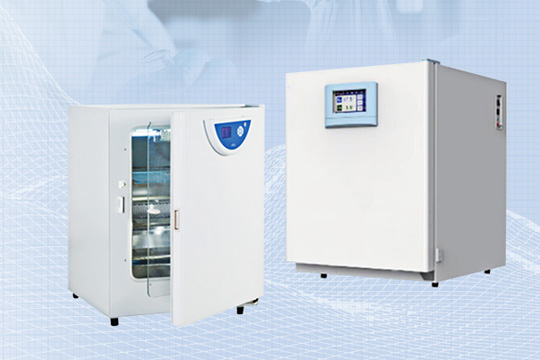
Over the last few decades, ncubator technology has evolved in many aspects. Water-Jacketed and Air-Jacketed CO2 Incubators are the most common types of cell growth chambers used in laboratories.Incubators have always been predicated on their ability to maintain proper temperature for the cells growing inside them. Keeping the environment warm and well insulated is essential for healthy cell growth.A stable 37°C is typically needed for cells to grow properly, which is why temperature fluctuations can be harmful to cell development.Thus,We need to Learn the difference of water-jacketed vs air-jacketed incubators.
A. WATER-JACKETED INCUBATORS
Water in cell culture incubator refer to a type of insulation that relies on heated water within the chamber walls to maintain a uniform temperature throughout the incubator, were one of the first available insulation methods to arrive on the market in CO2 incubators.
This technology, which still exists to this day, relies on heated water within the incubator’s walls to maintain a consistent interior temperature. Due to the high heat capacity of water, they are capable of maintaining the desired temperature for long durations which is beneficial with multiple door openings or power outages.
However, water jacket co2 incubator incubators suffered from other shortcomings. Filling and heating the incubator can take time so the water-jacketed incubator comes with a longer start-up process. Once the chamber walls are filled with water, the incubator can become very heavy and can be difficult to move, the issue of contamination growth from stagnant warm water. Algae or bacterial growth can easily take place within the water-jacket; the incubator must be drained and cleaned to take care of this problem. Also, if the wrong type of water is used, the incubator could rust, potentially leading to costly repairs. This requires a little bit more maintenance than air-jacketed incubators as water-jacketed incubators must be drained and cleaned to take care of this problem.
B. AIR-JACKETED INCUBATOES
Due to concerns with water-jacketed incubators, the air-jacketed incubator emerged as a new technology. Air-jacketed incubators are filled with air instead of water. They are much lighter, faster to set up, provide similar temperature uniformity and generally need less maintenance, also provided similar temperature uniformity and faster recovery after door openings.
This is due to the fact that air jacket incubators can adjust temperature on/off cycles based on the air temperature inside the chamber following door openings. Air-jacketed incubators are also suitable for high heat sterilization and temperature upwards of 180°C can be reached, something not possible when using water-jacketed models.In addition, there was less worry of contamination from air-jacketed incubators, allowing scientists to worry less about maintenance.
If contaminated, air-jacketed incubators can be quickly decontaminated through, for example, high heat or hydrogen peroxide treatment. They are, however, more sensitive to changes in temperature because air has a smaller heat capacity than water. This can be problematic in case of frequent door openings or a power outage.Temperature uniformity can also be an issue, creating cool spots.
So, Many air-jacketed incubators also offered heating capabilities for the front door of the incubator. This feature provided more consistent heating and temperature uniformity, while facilitating a reduction in condensation. Furthermore, with air-jacketed incubators, traditional decontamination methods, like high heat, or more efficient methods, like ultraviolet light and H2 O2 vapor, can be used.
co2 incubator for cell culture are becoming an increasingly popular option as they offer more flexibility and superior performance when compared to their water-jacketed counterparts. Labs that frequently use their incubator should consider air-jacketed incubators for their rapid temperature recovery and decontamination methods. Air-jacketed incubators also excel for their light-weight build and less required maintenance. As incubators evolve, air-jackets are becoming increasingly the norm, as water-jackets become older technology.
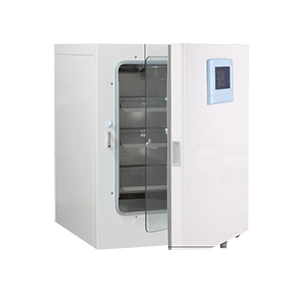
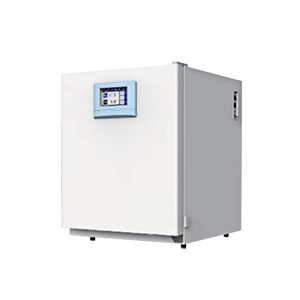
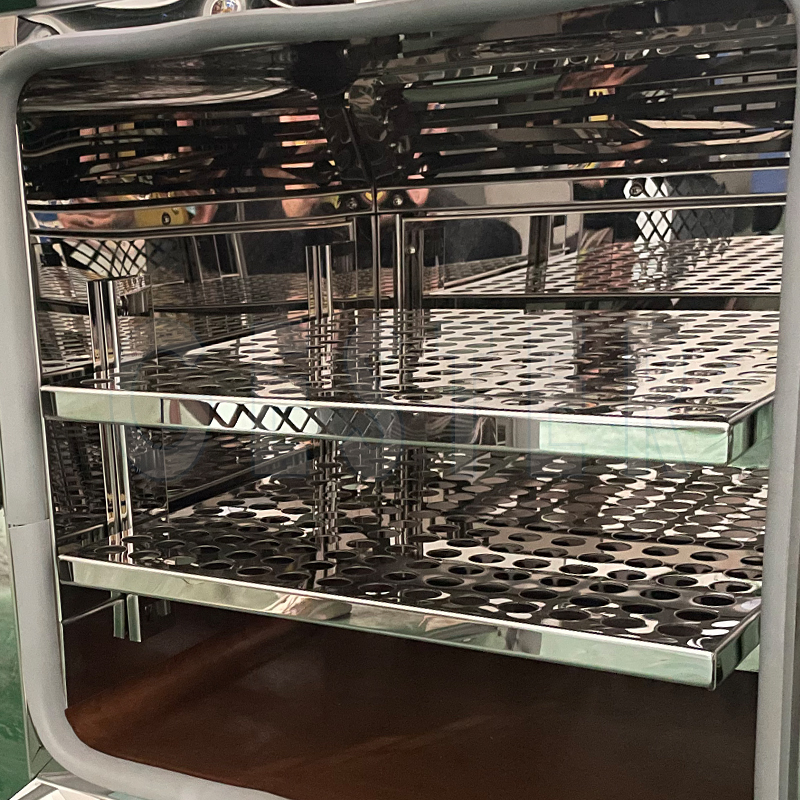
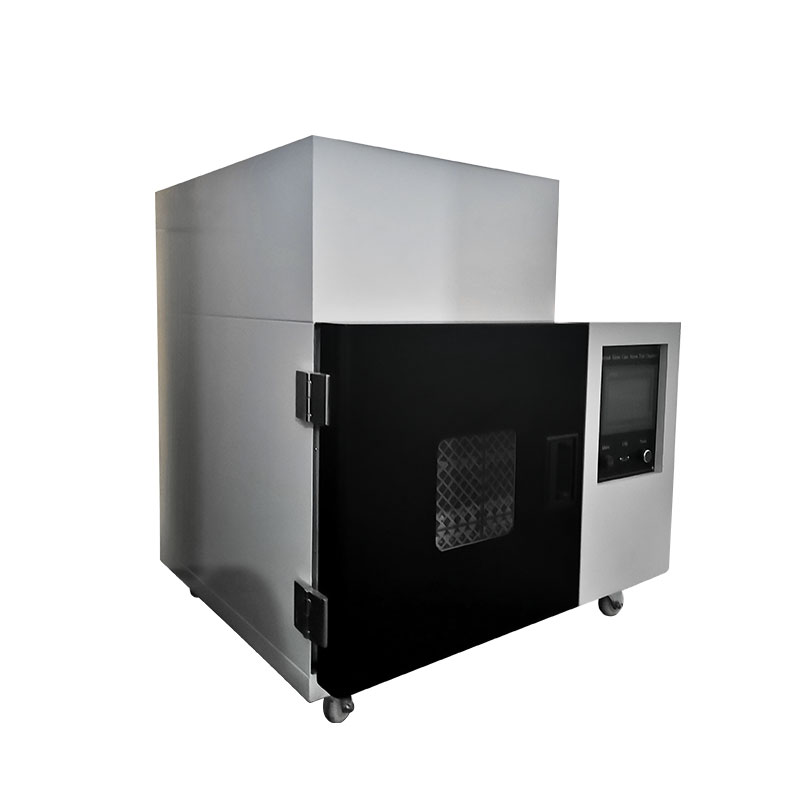
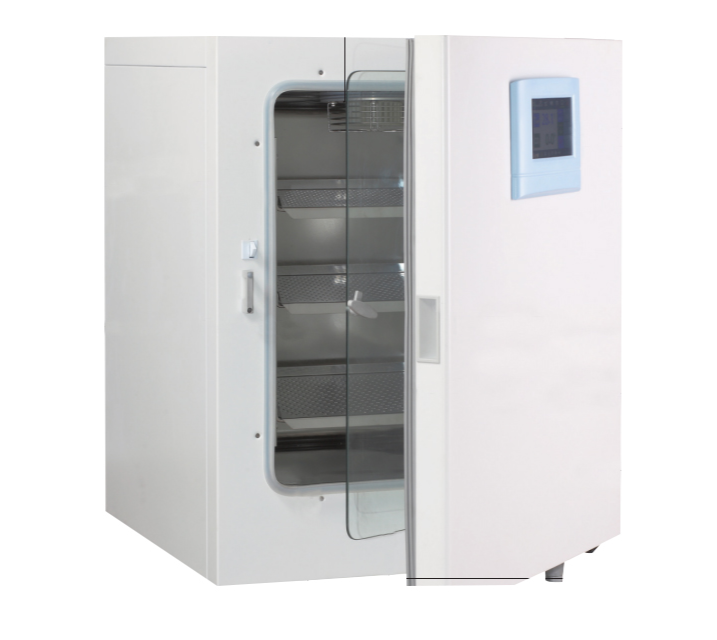
Here GESTER give examples of two products to more comprehensively analyze the difference between Air Jacketed Co2 Incubator and water jacketed co2 incubator.
Touch Screen Water Jacket CO2 Incubator GT-BM02B |
Touch Screen Type Air jacket CO2 Incubator GT-BM02A |
 |
 |
| Water jacket CO2 incubator is designed for long time stable culture. The control temp. is stable and accurate, suitable for the microorganisms culture with long cycle and not need to open door often. |
Intelligent touch screen controller CO2 concentration sensor Temperature control and monitoring system Sterilization system Ultraviolet sterilization(Option) |

Contact Us