
What Is The Biological Safety Cabinet ?
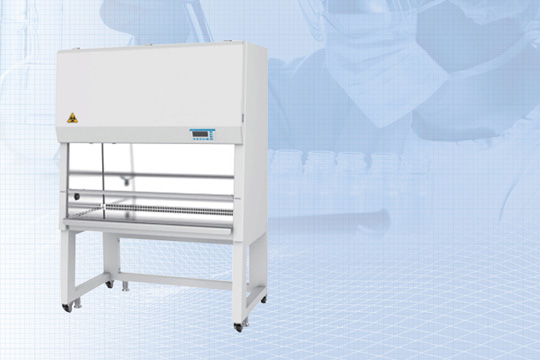
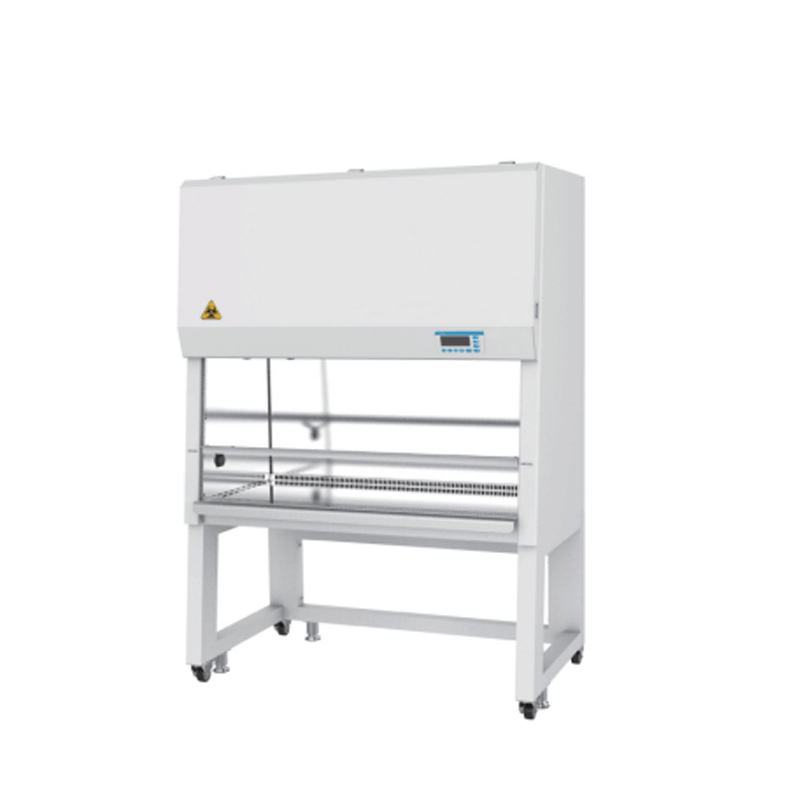
Biosafety cabinets, also known as biological safety cabinets, are enclosed, ventilated laboratory workspace areas designed to protect the user and surrounding environment from pathogens.
These filtered cabinets are primarily designed to protect against exposure to particulates or aerosols. A portion of the air in most bsc biosafety cabinet is recirculated back into the lab through its exhaust HEPA filter.
Microbiological safety cabinets are divided into three classes: I, II and III.
Class I biosafety cabinet
Class I provides protection for the user and surrounding environment, but no protection for the sample being manipulated.
HEPA filter traps 99.9% of particles of ≥ 0.3 µm in diameter. This enables the HEPA filter to effectively trap all known infectious agents and ensure that only microbe-free exhaust air is discharged from the cabinet and/or recirculated in the work surface.
Class II biosafety cabinet
Class II provides protection for the user, environment and sample, and is divided into four types: A1, A2, B1 and B2.
The main differences between the types are the ratio of air exhausted from the BSC to the air that is recirculated within the BSC, and the type of exhaust system present.
The working mechanism of Class II BSCs differs according to its types. It has an open front with inward airflow for personnel protection, downward HEPA filtered laminar airflow over the work surface for product protection and HEPA filtered exhausted air for environmental protection.
Class III biosafety cabinet
Class III Provides maximum protection; the enclosure is gas-tight, and all materials enter and leave through a dunk tank or double-door autoclave.
This type of cabinet is totally enclosed and is tested under pressure to ensure that no particles can leak from it into the room. Supply air is HEPA-filtered and exhaust air is discharged to atmosphere through two HEPA filters.
Choice of biosafety cabinet in microbiology therefor depends on level of protection needed for the laboratory worker and the sample of interest.


Contact Us